Better function.
Stronger connections.

Speech and Language
Myofunctional Therapy

Evidence-based care that supports the way you speak, breathe, swallow, and function—so you can feel confident and thrive in everyday life.

Better function.
Stronger connections.

Speech and Language
Myofunctional Therapy

Evidence-based care that supports the way you speak, breathe, swallow, and function—so you can feel confident and thrive in everyday life.

Speech-language challenges

Supporting communication from first words through complex language skills

Communication is essential for learning, connection, and confidence. Therapy is designed to strengthen these skills in a supportive, individualized way that meets each person where they are.

I provide comprehensive evaluation and individualized therapy for a wide range of speech and language disorders across all ages, with treatment plans tailored to each person’s unique communication needs. This includes:

Such as Apraxia of Speech and/ or Difficulties with muscle strength, coordination, or movement impacting speech clarity. Symptoms include slurred speech, difficulty with pitch and rhythm, and facial muscle.

Challenges in using language effectively. Symptoms include limited vocabulary, grammar difficulties, trouble naming objects, and frustration in communication.

Difficulties understanding spoken language. Symptoms include trouble following directions, responding inaccurately to questions, and seeming inattentive or confused during conversations.

Challenges interpreting sounds despite normal hearing. Symptoms include difficulty following spoken directions, needing repetition, and trouble distinguishing similar words.

Interruptions in the smooth flow of speech. Symptoms include sound repetitions, prolonged sounds, speech pauses, and avoidance of speaking situations.

Difficulty using language appropriately in social contexts. Symptoms include challenges initiating conversations, understanding social cues, and interpreting figurative language or humor.

Includes “Food Chaining” program and TalkTools activities

Speech-language challenges

Supporting communication from first words through complex language skills

Communication is essential for learning, connection, and confidence. Therapy is designed to strengthen these skills in a supportive, individualized way that meets each person where they are.

I provide comprehensive evaluation and individualized therapy for a wide range of speech and language disorders across all ages, with treatment plans tailored to each person’s unique communication needs. This includes:

Such as Apraxia of Speech and/ or Difficulties with muscle strength, coordination, or movement impacting speech clarity. Symptoms include slurred speech, difficulty with pitch and rhythm, and facial muscle.

Challenges in using language effectively. Symptoms include limited vocabulary, grammar difficulties, trouble naming objects, and frustration in communication.

Difficulties understanding spoken language. Symptoms include trouble following directions, responding inaccurately to questions, and seeming inattentive or confused during conversations.

Challenges interpreting sounds despite normal hearing. Symptoms include difficulty following spoken directions, needing repetition, and trouble distinguishing similar words.

Interruptions in the smooth flow of speech. Symptoms include sound repetitions, prolonged sounds, speech pauses, and avoidance of speaking situations.

Difficulty using language appropriately in social contexts. Symptoms include challenges initiating conversations, understanding social cues, and interpreting figurative language or humor.

Includes “Food Chaining” program and TalkTools activities

Orofacial Myofunctional Challenges

What is an Orofacial Myofunctional Disorder (OMD) or “Tongue Thrust”?

An Orofacial Myofunctional Disorder, commonly known as a “tongue thrust,” refers to improper placement and function of the tongue during swallowing or resting. Instead of resting against the palate, the tongue pushes against or between the teeth, potentially leading to dental and speech issues. OMDs involve incorrect muscle function and habits of the tongue, lips, and jaw.

You may benefit from Myofunctional Therapy if you notice:
  • Snoring

  • Headaches

  • Poor sleep

  • TMJ pain or jaw locking/popping

  • Feeding difficulties

  • Poor speech

  • Mouth always open

  • Drooling

  • Chapped lips

  • Prolonged oral habits (thumb sucking, pacifier, etc.)

  • Crooked teeth

  • Long facial growth

  • Recessed chin

  • Heart-shaped tongue

  • Enlarged tonsils

  • Difficulty nasal breathing

  • Dark circles under eyes

  • Difficulty swallowing

  • Teeth grinding

  • Bedwetting

  • Frequent ear infections

  • Digestive issues

  • Depression/Anxiety

  • Fatigue

  • Daytime drowsiness

  • ADD/ADHD

  • Teeth clenching

  • Relapse of orthodontic treatment​​​

Orofacial Myofunctional Challenges

What is an Orofacial Myofunctional Disorder (OMD) or “Tongue Thrust”?

An Orofacial Myofunctional Disorder, commonly known as a “tongue thrust,” refers to improper placement and function of the tongue during swallowing or resting. Instead of resting against the palate, the tongue pushes against or between the teeth, potentially leading to dental and speech issues. OMDs involve incorrect muscle function and habits of the tongue, lips, and jaw.

You may benefit from Myofunctional Therapy if you notice:
  • Snoring

  • Headaches

  • Poor sleep

  • TMJ pain or jaw locking/popping

  • Feeding difficulties

  • Poor speech

  • Mouth always open

  • Drooling

  • Chapped lips

  • Prolonged oral habits (thumb sucking, pacifier, etc.)

  • Crooked teeth

  • Long facial growth

  • Recessed chin

  • Heart-shaped tongue

  • Enlarged tonsils

  • Difficulty nasal breathing

  • Dark circles under eyes

  • Difficulty swallowing

  • Teeth grinding

  • Bedwetting

  • Frequent ear infections

  • Digestive issues

  • Depression/Anxiety

  • Fatigue

  • Daytime drowsiness

  • ADD/ADHD

  • Teeth clenching

  • Relapse of orthodontic treatment​​​

Parent Training

Parent training is a core part of effective speech-language intervention, recognizing that the most meaningful and lasting progress happens when families are actively involved in the therapy process. Breena offers specialized Hanen programs designed to equip parents and caregivers with practical, evidence-based strategies that can be naturally incorporated into daily routines, play, and communication opportunities at home.

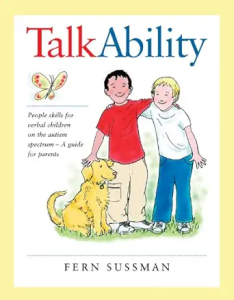
The Hanen Talkability Program is designed for parents of verbal children ages 4–7 with Autism Spectrum Disorder. This program focuses on strengthening social communication skills through structured, play-based coaching strategies that help children engage more effectively in conversations, develop stronger social awareness, and build meaningful peer interactions. Parents are guided step-by-step in learning how to support their child’s conversational abilities in real-life situations.

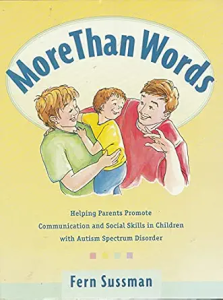
The Hanen More Than Words Programis an 8-week, research-based program designed for parents of young children (ages 0–5) on the autism spectrum. This program focuses on helping children develop intentional communication, increase social engagement, and strengthen early interaction skills. Through individualized coaching—currently offered via Zoom—parents learn how to interpret their child’s communication cues, create more opportunities for interaction, and support early language development in a natural and supportive way.

Parent Training

Parent training is a core part of effective speech-language intervention, recognizing that the most meaningful and lasting progress happens when families are actively involved in the therapy process. Breena offers specialized Hanen programs designed to equip parents and caregivers with practical, evidence-based strategies that can be naturally incorporated into daily routines, play, and communication opportunities at home.

The Hanen Talkability Program is designed for parents of verbal children ages 4–7 with Autism Spectrum Disorder. This program focuses on strengthening social communication skills through structured, play-based coaching strategies that help children engage more effectively in conversations, develop stronger social awareness, and build meaningful peer interactions. Parents are guided step-by-step in learning how to support their child’s conversational abilities in real-life situations.

The Hanen More Than Words Programis an 8-week, research-based program designed for parents of young children (ages 0–5) on the autism spectrum. This program focuses on helping children develop intentional communication, increase social engagement, and strengthen early interaction skills. Through individualized coaching—currently offered via Zoom—parents learn how to interpret their child’s communication cues, create more opportunities for interaction, and support early language development in a natural and supportive way.

Therapy Approaches

Oral Motor & Myofunctional Approaches

(TalkTools, OMT, etc.)
Speech & Language Development Approaches

(PROMPT, Kaufman, Hanen, etc)
Auditory & Cognitive Processing Supports

(iLs, Forbrain, Lindamood-Bell)
Social & Emotional Development

(Zones of Regulation, Social Thinking, DIR Floortime)
Therapy Approaches

Oral Motor & Myofunctional Approaches

(TalkTools, OMT, etc.)

Speech & Language Development Approaches

(PROMPT, Kaufman, Hanen, etc)

Auditory & Cognitive Processing Supports

(iLs, Forbrain, Lindamood-Bell)

Social & Emotional Development

(Zones of Regulation, Social Thinking, DIR Floortime)
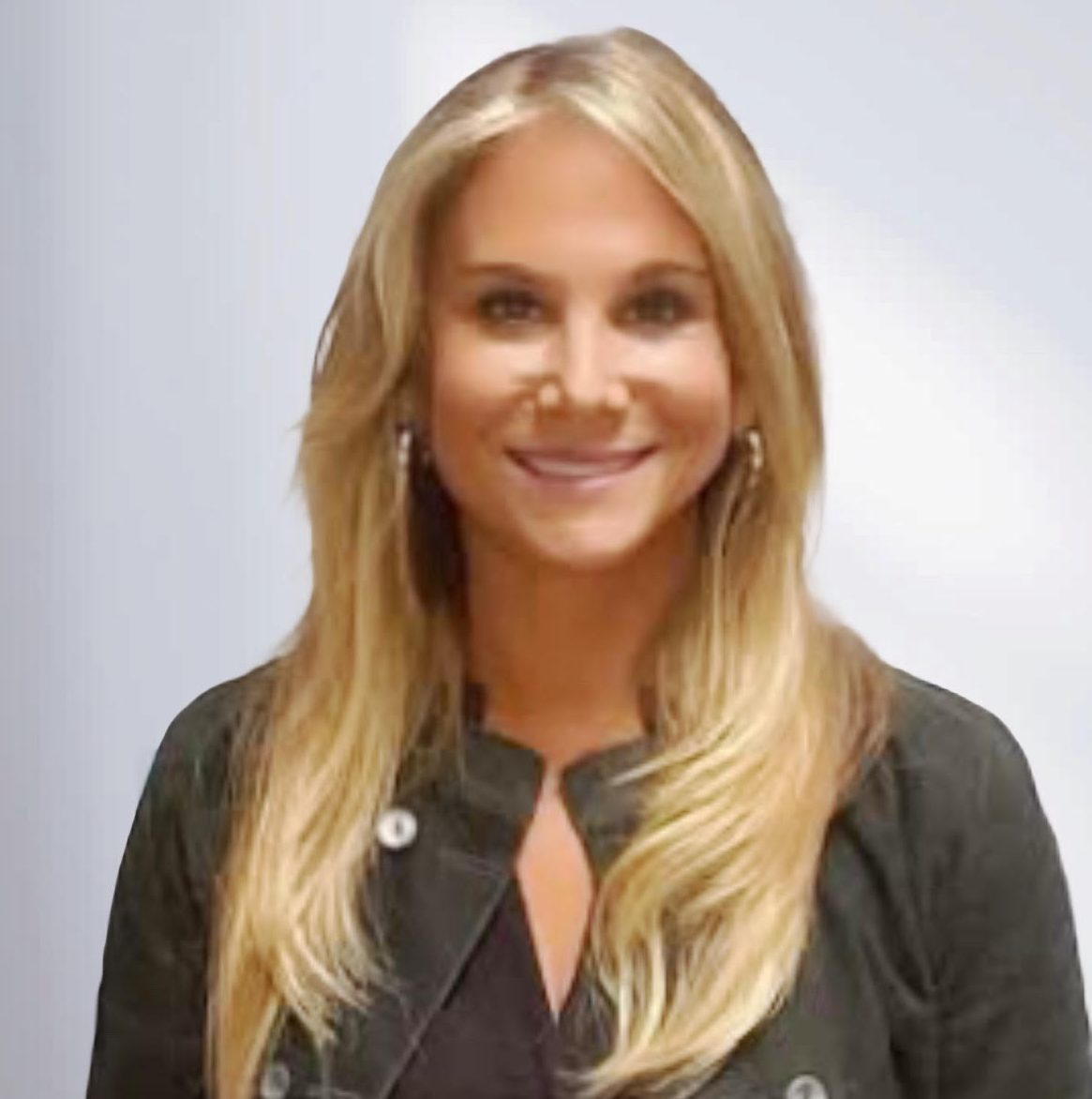
Breena Hayman, M.S., CCC-SLP-COM®

Breena is a licensed and certified Speech-Language Pathologist in the state of California and an active member of the American Speech-Language-Hearing Association (ASHA). She is also a Certified Orofacial Myologist through the International Association of Orofacial Myology (iaom.org). With over 27 years of experience serving San Diego County, Breena has provided therapy across diverse clinical settings, including Rady Children’s Hospital, Poway Unified School District, San Diego Unified School District, and private practice.

Breena brings a distinctive perspective to myofunctional therapy by combining her extensive education and training in speech language pathology with her myofunctional training.  This multidisciplinary background allows her to offer a comprehensive and unique approach to treatment. Her dual expertise enables her to create meaningful, lasting changes that impact not just how someone speaks or breathes, but also how they live their life. She works closely and compassionately with families, meeting individuals exactly where they are, helping them take tangible steps forward—building stronger breathers, stronger voices, and stronger lives. Breena is deeply committed to making a difference that extends far beyond therapy sessions, empowering individuals with confidence and resilience. – Learn More About Breena  –